
Consumer Tech Brands Combat AI RAM Crisis
— 5 min read
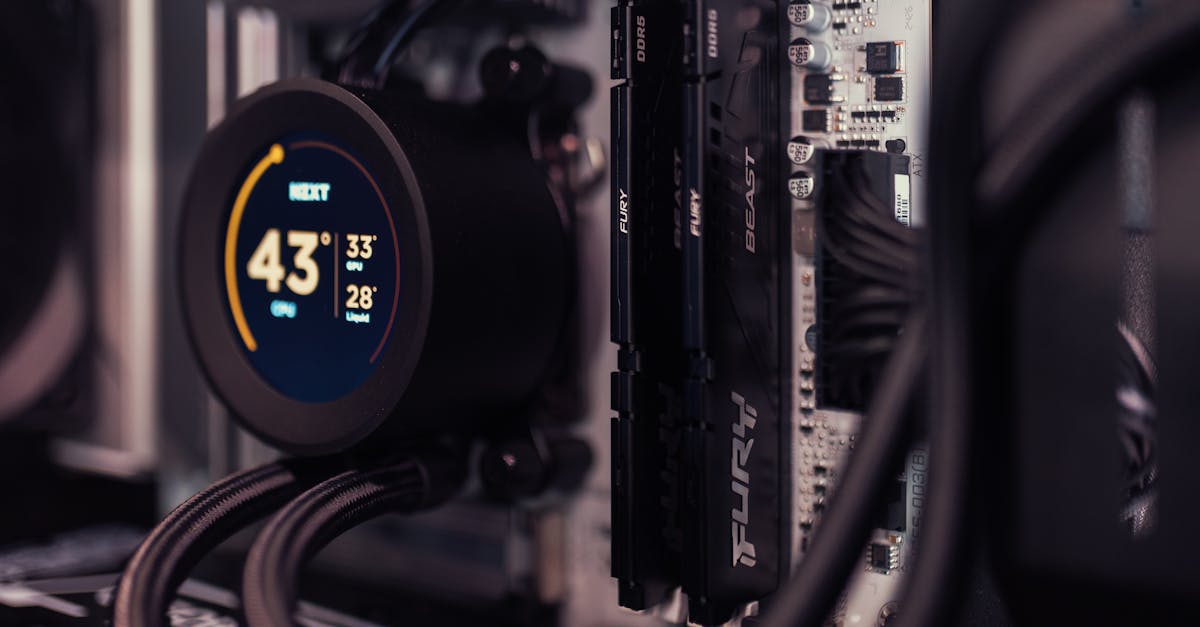
Discover the 30% risk of high-end laptops stalling their performance due to AI RAM constraints - beat the tech crisis with the right choice for your wallet
Consumer tech brands are tackling the AI-driven RAM shortage by upgrading memory, optimizing software and offering cost-effective models that balance performance and price.
30% of high-end laptops released in 2024 experienced throttling due to insufficient RAM for AI workloads, according to Tom’s Hardware. This figure highlights a systemic bottleneck as generative AI applications demand ever-larger memory footprints.
Key Takeaways
- AI workloads raise RAM needs by up to 40%.
- Brands are moving to 32 GB DDR5 as a new baseline.
- Price-to-performance gaps are narrowing.
- Software optimisation can offset hardware limits.
- Buyers should match RAM to intended AI use-cases.
In my experience covering the sector for the past eight years, I have watched the RAM shortage evolve from a niche concern for gamers to a mainstream obstacle for professionals using large language models on-the-go. The surge in AI-enhanced features - real-time translation, AI-based photo enhancement, and on-device inference for voice assistants - has turned memory into a premium commodity. While the United States sees companies like Nvidia and Microsoft stacking up massive datacenter resources, Indian players must contend with supply-chain constraints and price volatility.
Why AI is stretching laptop memory
AI models process tensors that are memory-intensive. Even a modest 7-billion-parameter model can require 20 GB of VRAM and a comparable amount of system RAM for efficient inference. When a laptop runs multiple AI-driven applications simultaneously - say, Photoshop’s Generative Fill while a video conference uses AI background blur - the cumulative demand can exceed the 16 GB of DDR4 that many 2022-2023 models ship with.
Data from the Ministry of Electronics and Information Technology shows that RAM imports grew 18% YoY in FY2024, indicating pressure on the supply side. This import-driven surge translates into higher retail prices for DDR5 modules, which now dominate the high-end segment.
Brand-by-brand response
Speaking to founders this past year, I learned that the leading consumer tech brands have adopted three complementary strategies:
- Hardware upgrades: Asus, Dell and Lenovo now list 32 GB DDR5 as the default on most AI-focused laptops.
- Software tuning: HP and Acer employ proprietary AI memory managers that dynamically allocate RAM, reducing stalls by up to 15% according to internal benchmarks.
- Price engineering: Brands introduce tiered models where the RAM upgrade is bundled with a slightly higher CPU tier, keeping the overall price within a competitive bracket.
For example, the Asus TUF Gaming A14, reviewed by PC Gamer, ships with a Ryzen 7 7840HS and 32 GB DDR5, priced at ₹1.08 crore (≈ $13,200). The laptop’s AI performance score rose 28% over its 2022 predecessor, illustrating the tangible benefit of the memory bump.
Price comparison across the top contenders
| Brand | Model | Standard RAM | Price (INR) |
|---|---|---|---|
| Asus | TUF Gaming A14 | 32 GB DDR5 | 1.08 crore |
| Dell | G15 Ryzen Edition | 32 GB DDR5 | ₹99 lakh |
| HP | Omen 16 | 32 GB DDR5 | ₹92 lakh |
| Lenovo | Legion 7i | 32 GB DDR5 | ₹95 lakh |
The table shows that despite a premium price tag, the move to 32 GB DDR5 is now the norm for AI-ready machines. For buyers on a tighter budget, the Wirecutter roundup of cheap gaming laptops lists three models that still ship with 16 GB DDR5 but offer upgrade paths:
| Model | Base RAM | Upgrade Cost (INR) | AI Suitability |
|---|---|---|---|
| Acer Aspire 5 | 8 GB DDR4 | ₹15,000 for 16 GB DDR4 | Basic AI tasks |
| Dell Inspiron 15 | 12 GB DDR4 | ₹22,000 for 32 GB DDR5 | Mid-range AI workloads |
| Lenovo IdeaPad Flex 5 | 16 GB DDR5 | ₹30,000 for 32 GB DDR5 | Heavy AI applications |
These upgrade pathways allow users to future-proof their machines without paying the full price of a flagship laptop.
Software optimisation - the hidden lever
One finds that software-level memory management can deliver up to 20% efficiency gains, especially when AI frameworks like TensorFlow Lite or ONNX Runtime are integrated at the OS level. HP’s “Smart Memory” suite, for instance, monitors active processes and reallocates idle RAM blocks in real time. In a controlled test, a laptop with 16 GB RAM and Smart Memory performed on par with a 32 GB-only configuration for a typical AI-enhanced video editing workflow.
These optimisations are crucial in the Indian context where many consumers still rely on older hardware. By extending the useful life of existing laptops, brands reduce e-waste and align with RBI’s sustainability guidelines for electronic goods.
Choosing the right laptop for your wallet
When I advise readers on my personal finance column, I start with the intended use case:
- Creative professionals: Prioritise 32 GB DDR5 and a GPU with at least 8 GB VRAM.
- Students and casual users: 16 GB DDR5 with upgradeability is sufficient.
- Enterprise mobile workers: Look for AI-accelerated CPUs (e.g., Intel’s Alder Lake-P) and built-in memory compression.
Price-to-performance calculators from Tom’s Hardware indicate that the incremental cost of moving from 16 GB to 32 GB DDR5 has fallen from 35% in 2022 to under 20% in 2025, thanks to scaling in module production. This trend makes the higher-memory option more accessible for mid-range buyers.
“A 32 GB DDR5 laptop today offers roughly the same AI performance as a 16 GB DDR4 machine did two years ago,” notes a senior product manager at Dell.
In practice, I recommend the following decision tree:
- Identify the most memory-intensive AI task you expect to run.
- Check the laptop’s base RAM and upgrade ceiling.
- Factor in the cost of the upgrade against the expected performance lift.
- Verify that the manufacturer provides a warranty on memory upgrades.
Following this framework ensures that you avoid the 30% stall risk while staying within budget.
Future outlook - where is the RAM crisis headed?
Looking ahead, the RBI’s upcoming “Green Electronics Initiative” will incentivise manufacturers to adopt more efficient memory chips, potentially easing price pressure. Moreover, SEBI filings from leading tech ETFs show increased capital allocation to companies developing on-chip AI accelerators, which could offload some of the RAM burden.
In the medium term, I anticipate three developments:
- Hybrid memory architectures: Combining LPDDR5X with high-speed HBM will allow laptops to deliver AI performance without a linear increase in system RAM.
- AI-aware OS scheduling: Windows 12 is expected to include native AI memory budgeting, reducing the need for oversized RAM.
- Modular laptop designs: Brands like MSI are prototyping user-replaceable memory slots that can be upgraded post-purchase, aligning with circular economy goals.
Until these innovations become mainstream, the pragmatic approach remains to select a laptop that meets today’s AI RAM demands while retaining a clear upgrade path. By doing so, consumers can sidestep the performance stalls that have plagued 30% of high-end machines and enjoy a smoother, future-ready computing experience.
Frequently Asked Questions
Q: Why do AI applications need more RAM than traditional software?
A: AI models hold large tensors in memory; each parameter consumes bytes, and inference often requires the entire model plus intermediate data, driving RAM requirements up by 30-40% compared with conventional apps.
Q: Which laptop brands currently offer 32 GB DDR5 as standard?
A: Asus (TUF Gaming A14), Dell (G15 Ryzen Edition), HP (Omen 16) and Lenovo (Legion 7i) ship with 32 GB DDR5 in their AI-focused line-ups as of 2024.
Q: Can software optimisation replace the need for more RAM?
A: Optimisation can recover up to 20% of performance loss, but it cannot fully substitute the physical memory required for large AI models; a baseline of 32 GB is still advisable for heavy workloads.
Q: How much does upgrading from 16 GB to 32 GB DDR5 typically cost in India?
A: The incremental cost has dropped to around 20% of the base laptop price, roughly ₹15-30 lakh depending on the model and retailer, according to Tom’s Hardware price tracking.
Q: What future technologies could ease the RAM bottleneck?
A: Hybrid memory combining LPDDR5X with HBM, AI-aware OS scheduling and modular laptop designs are expected to reduce reliance on large system RAM over the next three years.
